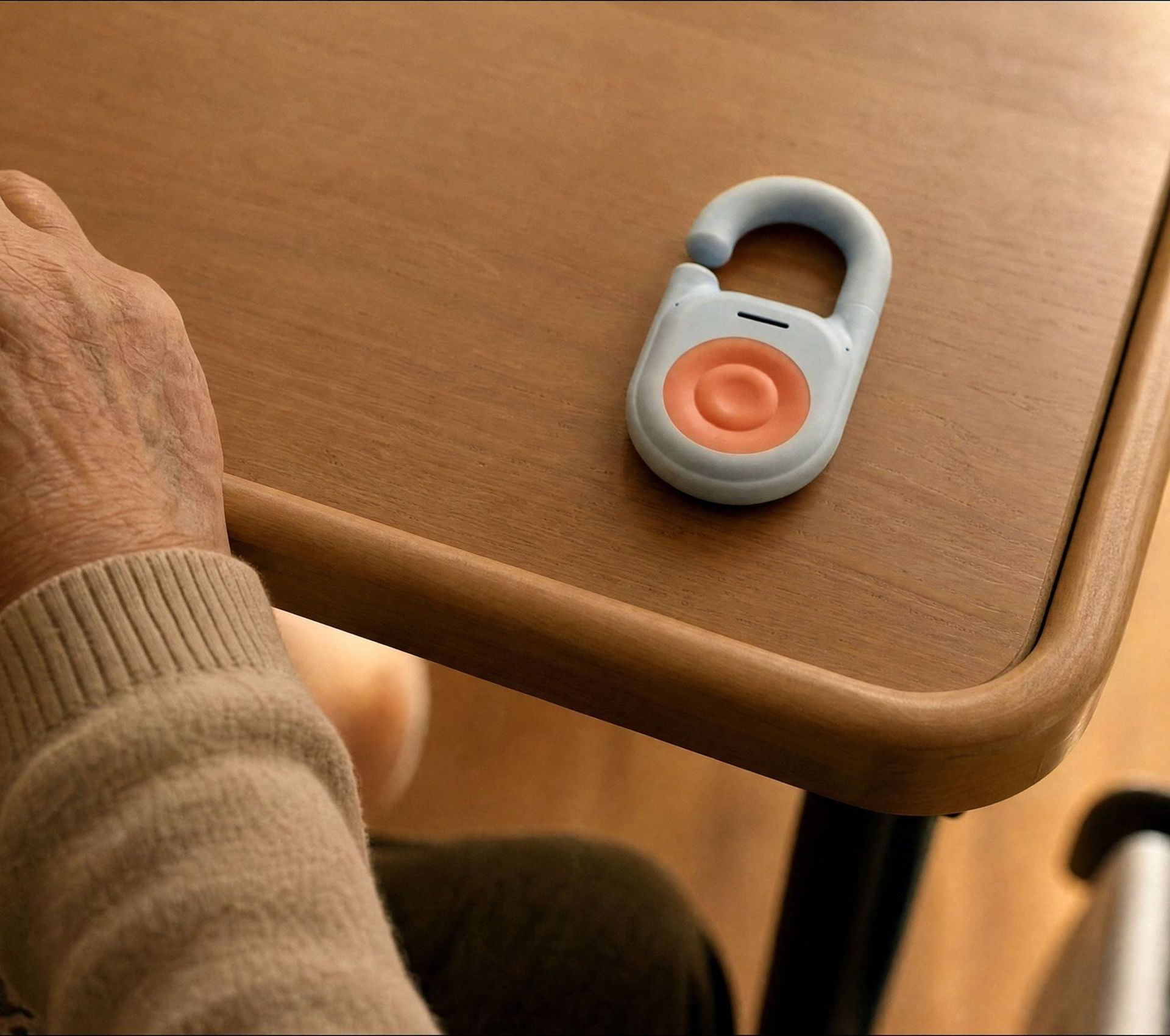
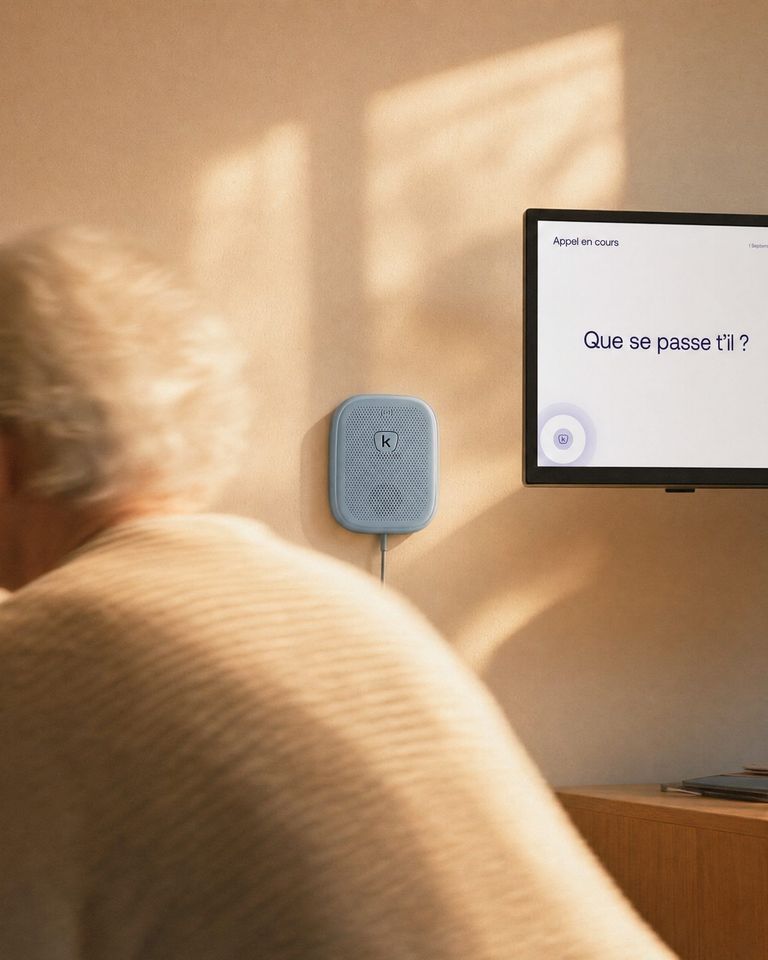
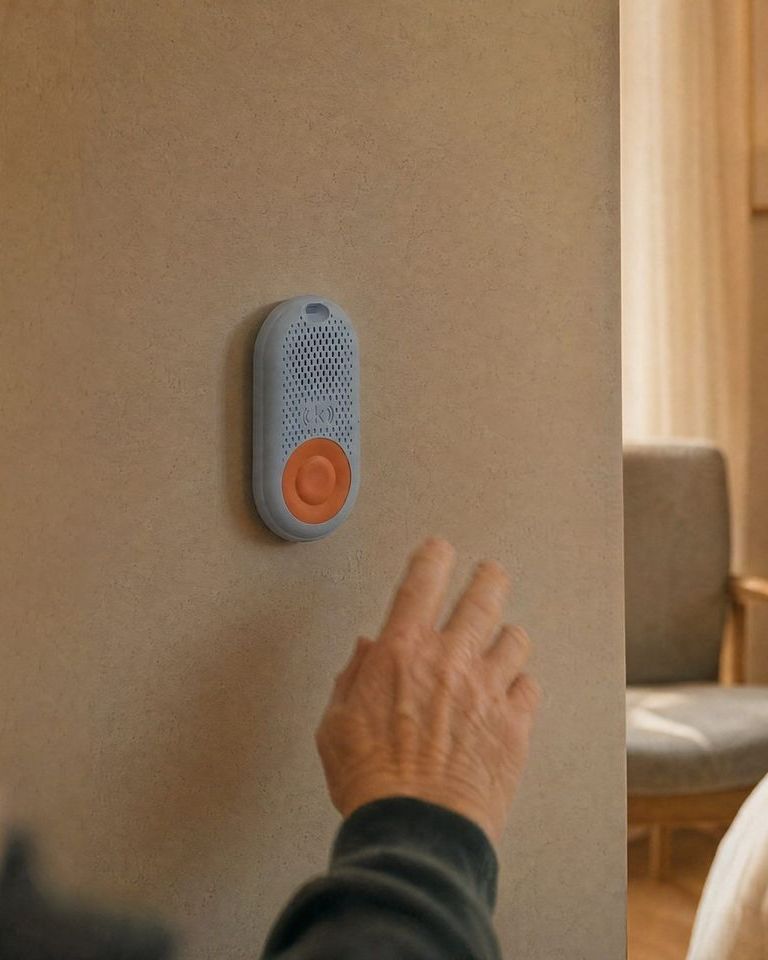
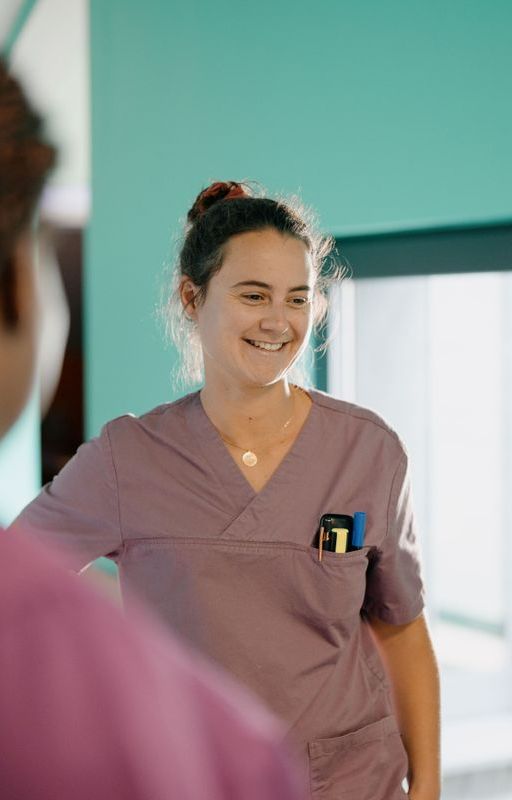
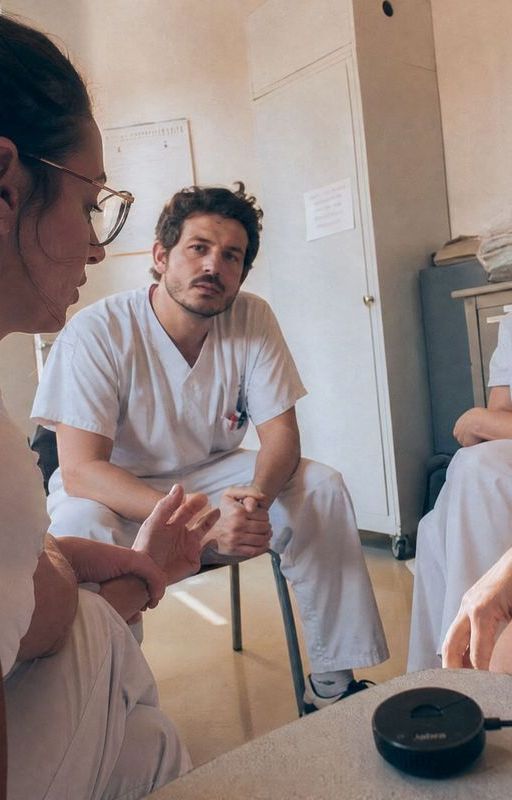
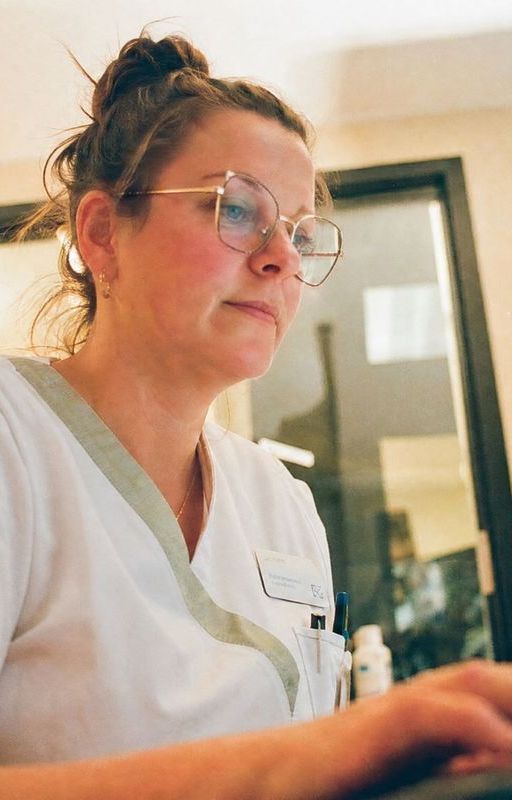
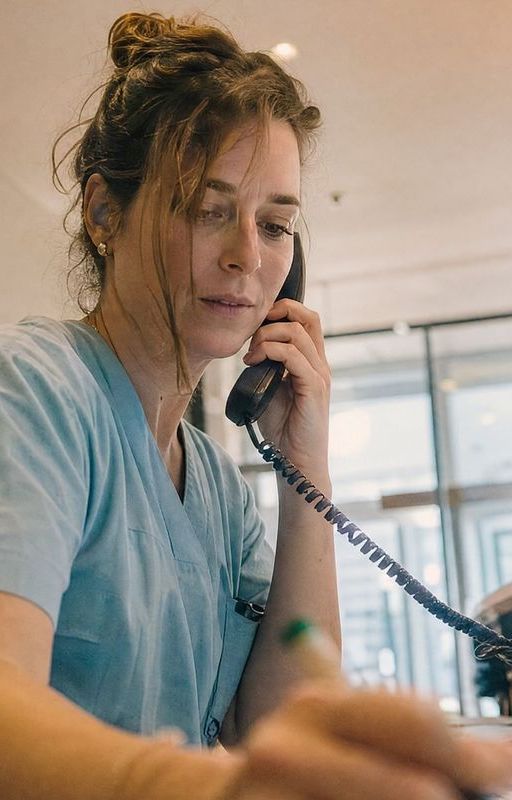
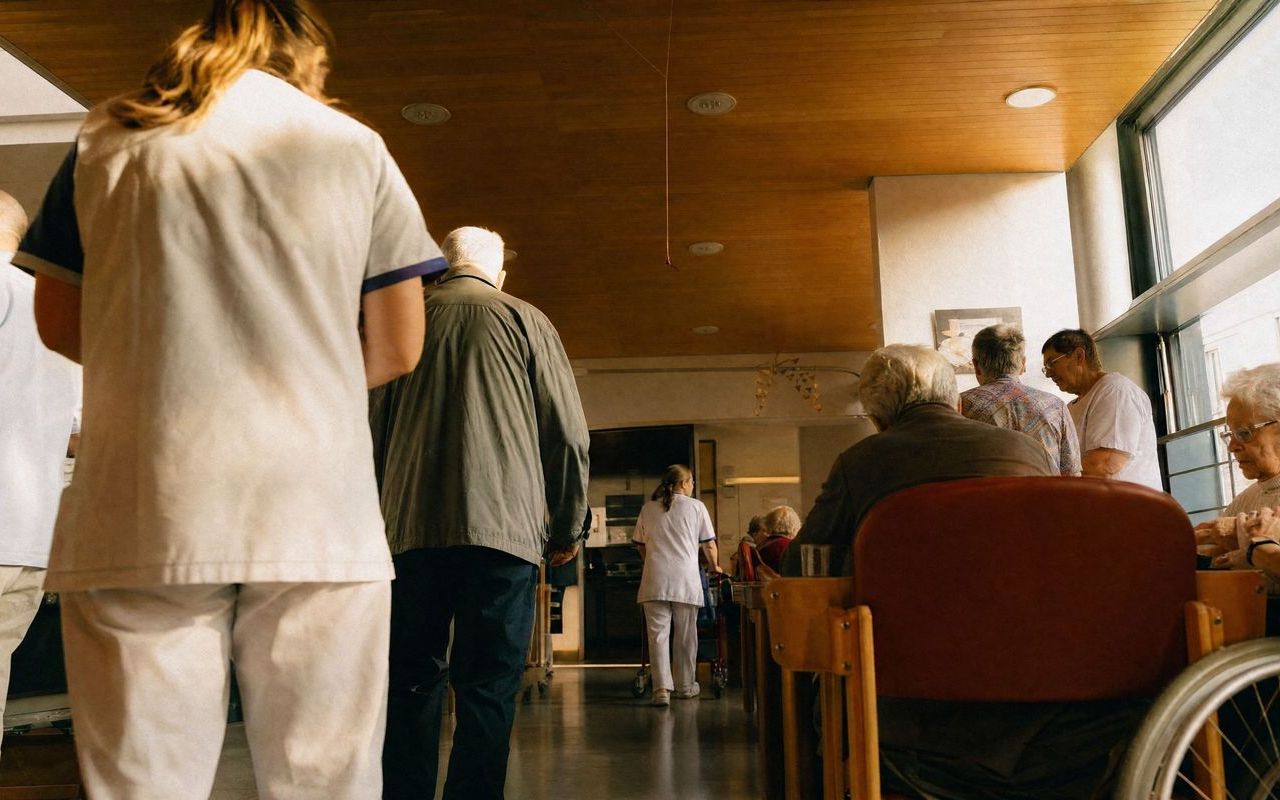
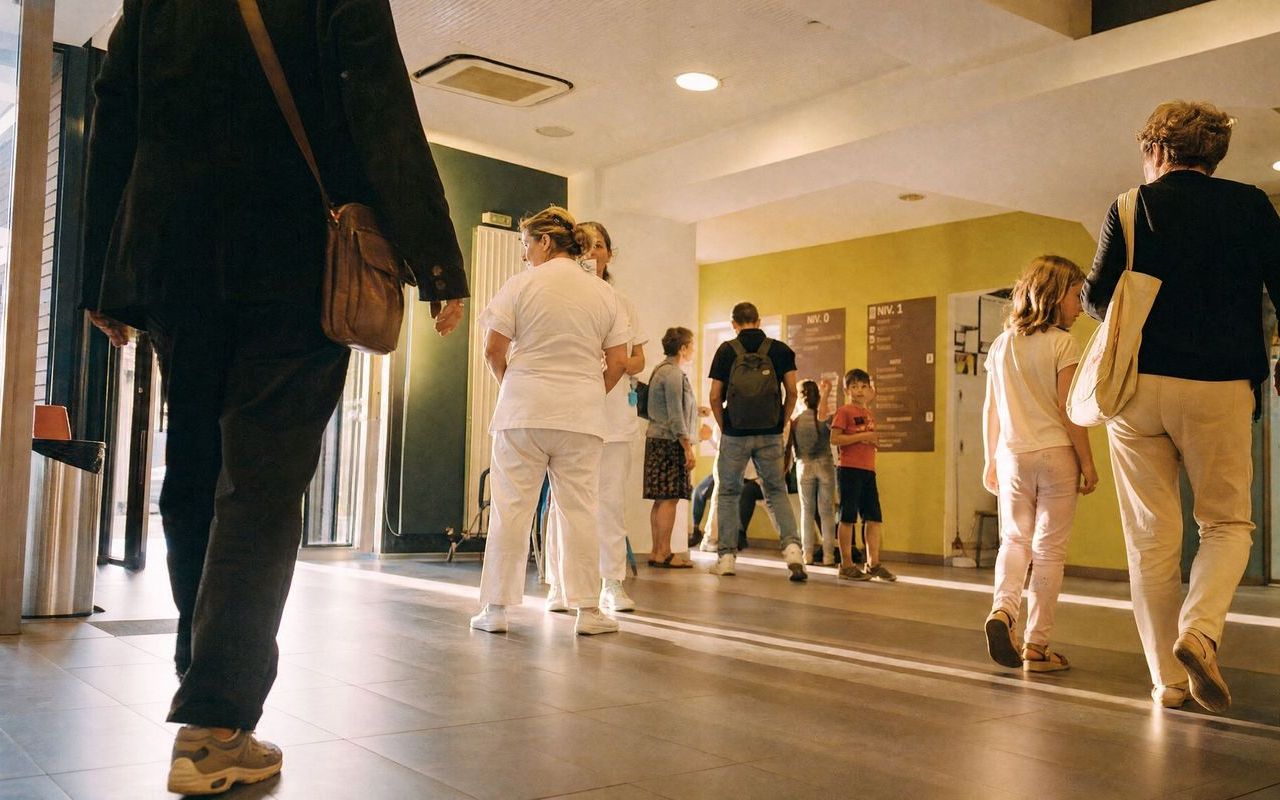
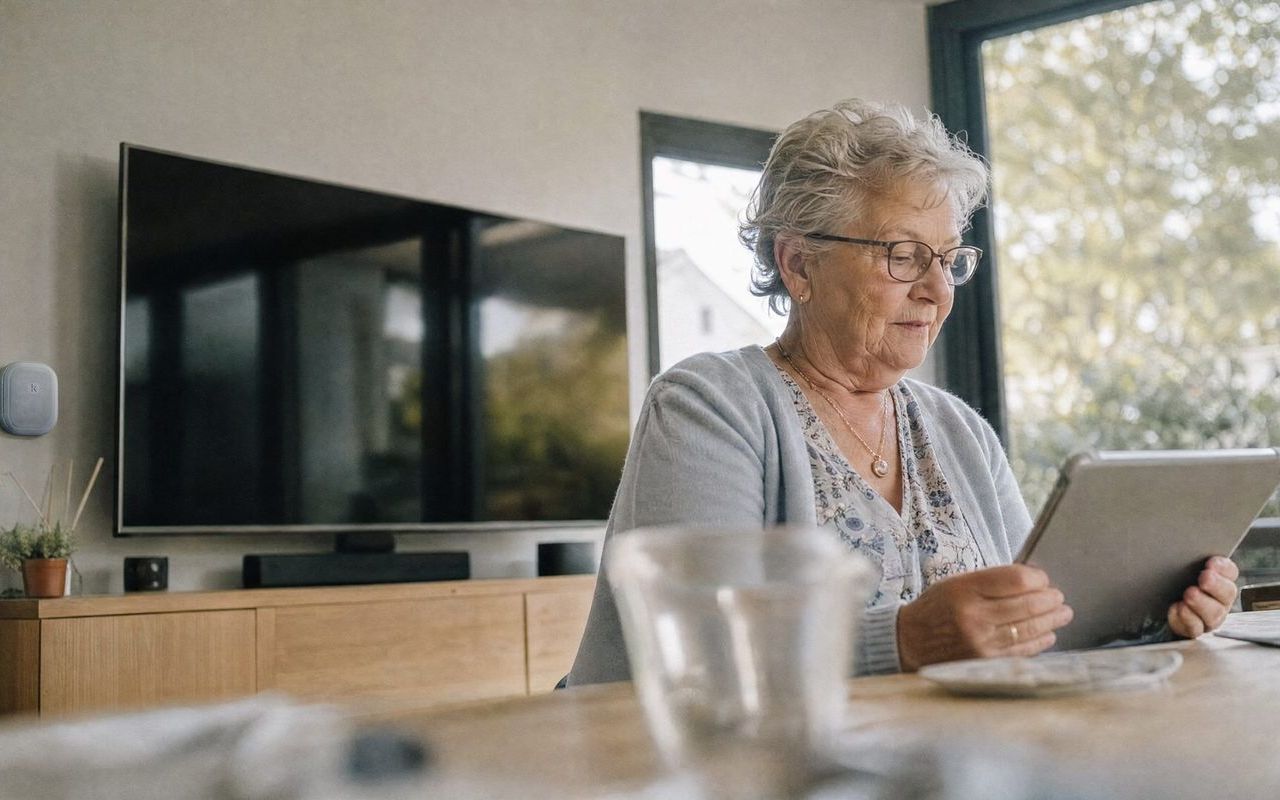
More than a button. If a resident says “help” or “I'm thirsty”, Kando understands the context, qualifies the call and routes it to the right person. You know what to do before you even reach the room. And you can answer them.
Without Kando, the nurse call system does just one thing: emit a signal, a noise. The caregiver interrupts what they're doing, walks to the room, and discovers the reason on the spot. Often for nothing. Sometimes too late.
The report is entered manually, hours after the intervention, with an average completeness of 60%. Data for the supervisory authorities (AVIQ, Iriscare, Departement Zorg, ARS) is incomplete. Management is flying blind.
The problem isn't the volume of calls. It's the lack of information around each call.
From call to data, in real time.
The resident presses their call button or says a trigger word. Kando captures the context, identifies the need and passes the information to the right person within seconds.
By button or by voice, using trigger words such as “Help”, “I need help”, “I've fallen”. Kando Box captures the vocal context immediately.
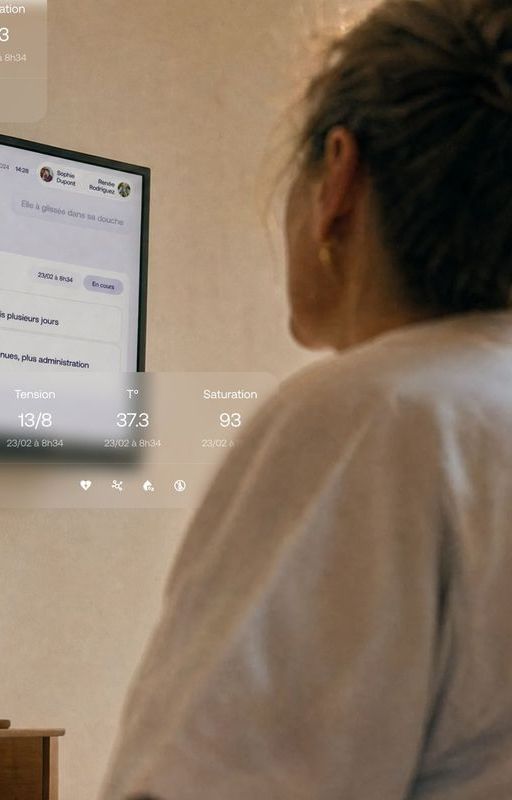
Who is calling, from where, and why. The caregiver arrives prepared.
The caregiver can talk with the resident to reassure them and prepare the intervention.
The caregiver arrives with the full context. Relevance and fluidity in the care provided.
Timestamp, duration, reason, resolution: everything is captured automatically. The caregiver validates before recording. Stored in Kando Space, available in an analytics dashboard. Fully AVIQ/ARS-compliant.
What changes with the Kando call button.
For the resident Greater wellbeing thanks to a simple, reassuring system. More safety with the “help” wake word. Dignity preserved through a non-medical design.
For caregivers Relevance and fluidity in care. Optimised call traceability. A clear view with dashboards and statistics. Support for quality monitoring.
A unique system, designed for your teams and the resident.
The voice assistant understands context Kando doesn't just detect a trigger. It understands what is being said. The reason for the call is identified before the caregiver intervenes: prioritisation is automatic or confirmed through direct communication.
A device that fades into the living space The Kando Box connects via HDMI to the room's existing television. No medical-looking equipment in the resident's personal space. The goal is simple: the technology should not be a reminder of the institution.
No more manual entry, no more incomplete reports Where conventional systems produce patchy reports filled in from memory, Kando generates a structured report every time a call is closed. If the defined acknowledgement time is exceeded, the caregiver is automatically asked for a justification.
Sovereign and interoperable Our AI models are 100% proprietary, hosted on HDS-certified servers in France. Kando is backward-compatible with existing telephony systems. No forced replacement of the infrastructure in place.
Designed not to fail Four layers of resilience: built-in battery in the Box and the buttons, offline fallback mode for critical functions, NOC monitoring with automatic alerting, guaranteed support SLA.
The Questions We Get Asked Most Often
No. The assistant is only activated by the wake word or the button. No permanent listening. The device complies with the GDPR and the legal frameworks applicable to health data.
The main interface is voice. No complex screens to navigate, no forms to fill in. Kando fits naturally into existing workflows and is quick to learn, even for those who are less comfortable with technology.
Kando runs in autonomous fallback mode if the network goes down. The battery keeps critical functions running. The NOC monitors continuously and raises an alert before the field team even notices.
Kando is designed to integrate quickly without disrupting your operations. The Box connects via HDMI to the existing TV, while the call buttons reuse the existing wiring, making deployment simpler and faster. No infrastructure changes are required: our teams handle the installation and on-site training.
Kando is backward-compatible with existing telephony. The installation doesn't replace your infrastructure; it connects to it.
Behind Nurse Call, a platform built for the full spectrum of care.
The intelligent interface for care. Care plans, targeted handovers, task validation, and vital signs dictation. Bidirectional integration with your care software.
Welcoming a new resident starts before they arrive. Collect information about their daily life, send forms to the right people, and have their file ready from day one.
The communication log for your entire organization. Every piece of information is routed to the right person at the right time, without getting lost between teams.
The platform is deployed in real-world care settings, where teams use it every day.
4 family-run nursing homes: nurse call system and assistants
Independent nursing home: working hand in hand with field teams
French non-profit organization: nurse call system and Care Assistant, with an impact study conducted in partnership with the University of Liège (ULiège) and Pr Stéphane Adam, with the support of ANS.
Deployment of the Nurse Call System with Two-Way Communication in Assisted Living Facilities
Kando in your environment
The platform adapts to the realities of every care context. Discover how Kando addresses the specific constraints of your sector.