The home, the new ground for connected care.
Staying at home for as long as possible. It's what most seniors want. It's also what care systems are trying to make possible, given the growing pressure on residential facilities. Kando at home is our answer to that challenge. We're working with partners to build it.
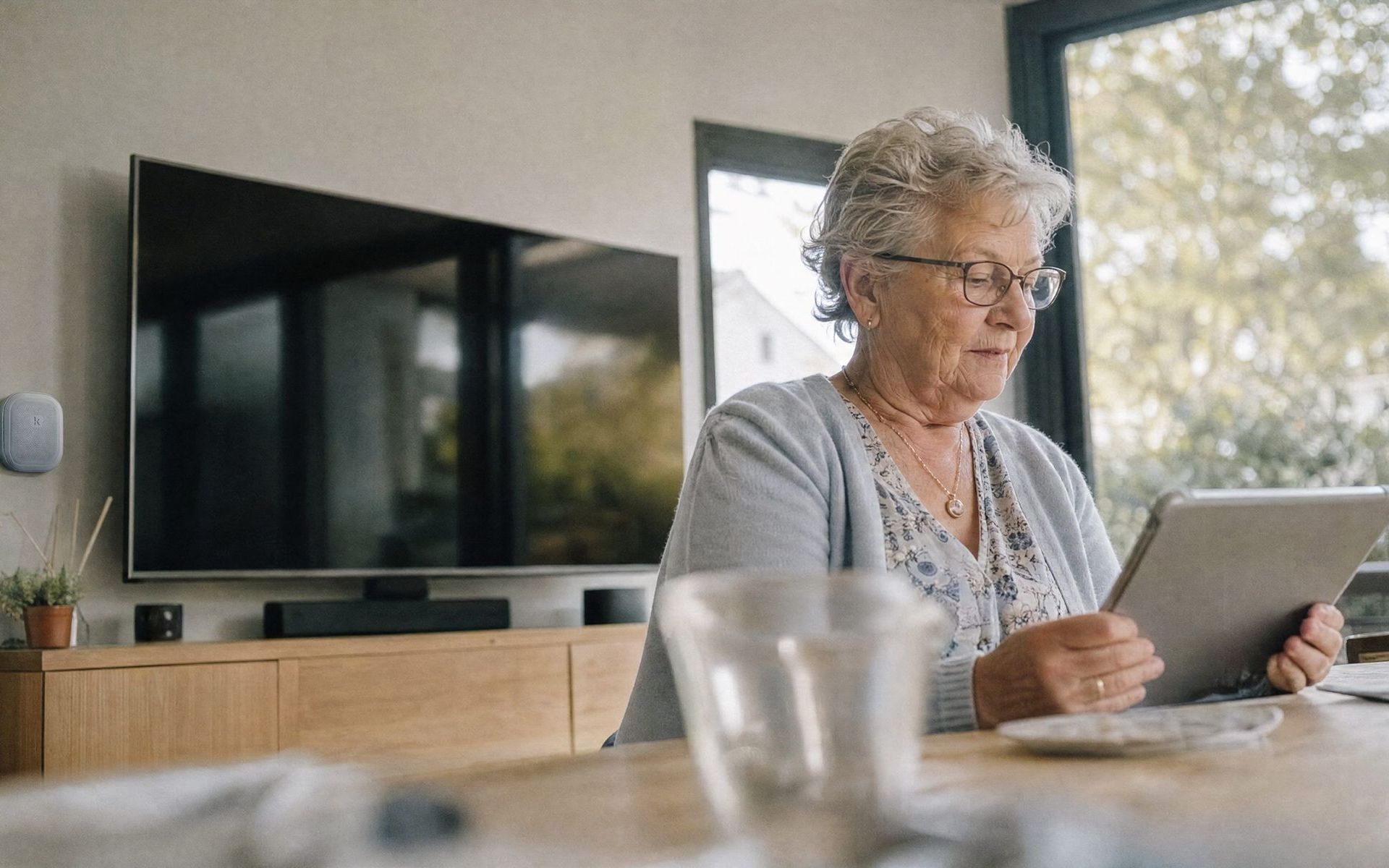
What's missing today between seniors and the people around them.
The senior lives at home. Their relatives are far away. The nurse visits twice a week. The doctor follows up from the practice. The insurer funds without visibility.
Everyone does their part, but no one sees the full picture. Information doesn't circulate. Weak signals go unnoticed. And when something happens, it's often too late to have been anticipated.
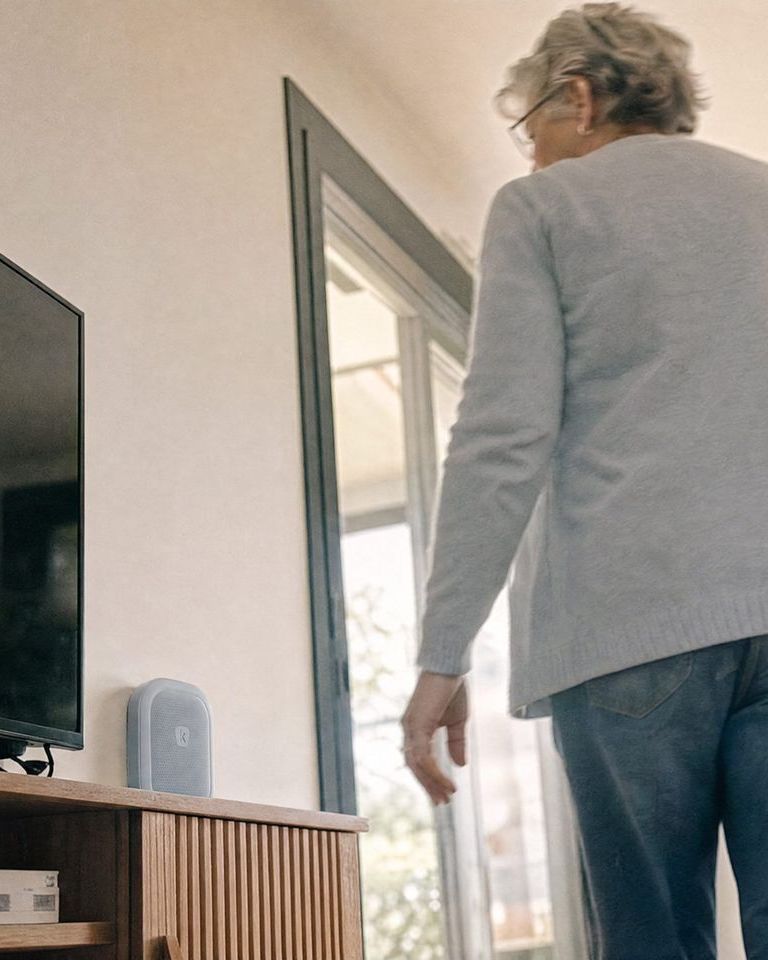
What Kando at home brings.
The Kando Box installs on the existing television, in the senior's living space. When needed, they call by voice or by button. The alert reaches the right people, immediately.

A familiar medium, already present in most living spaces. No new devices, no robot, no extra screen.

Relatives, nurses, allied health professionals: each stays connected to the beneficiary according to their role. Information circulates between the people concerned. Everyone sees what concerns them.

The senior makes calls through the Box. No smartphone to charge, no screen to handle. The link with loved ones stays simple and natural.

The Box connects via HDMI to the existing TV and reuses the cabling in place. No specialist technical work required.


One solution, five beneficiaries.
-
The senior.
At home, just like before. Nothing changes in the house, nothing to wear, nothing to learn. The television as a familiar medium.
-
Home care professionals.
Arrive informed. Provide care. Document automatically, in real time. Leave with peace of mind.
-
The family.
Daily, well-targeted information. Vigilance only when necessary. Alerted if something changes, in simple words.
-
The telecare provider.
Qualified alerts. Voice-based verification right in the room. Sound context that qualifies the situation.
-
The health insurer.
Finally seeing what prevention avoids. Aggregated, anonymised indicators. Monitoring across a large sample. A concrete, differentiating service.