Kando for hospitals.
In hospitals, the call bells never stop. Emergencies and logistical requests arrive with the same signal, the same noise. That lack of distinction wears care teams out. Kando makes the difference before the caregiver even stands up.
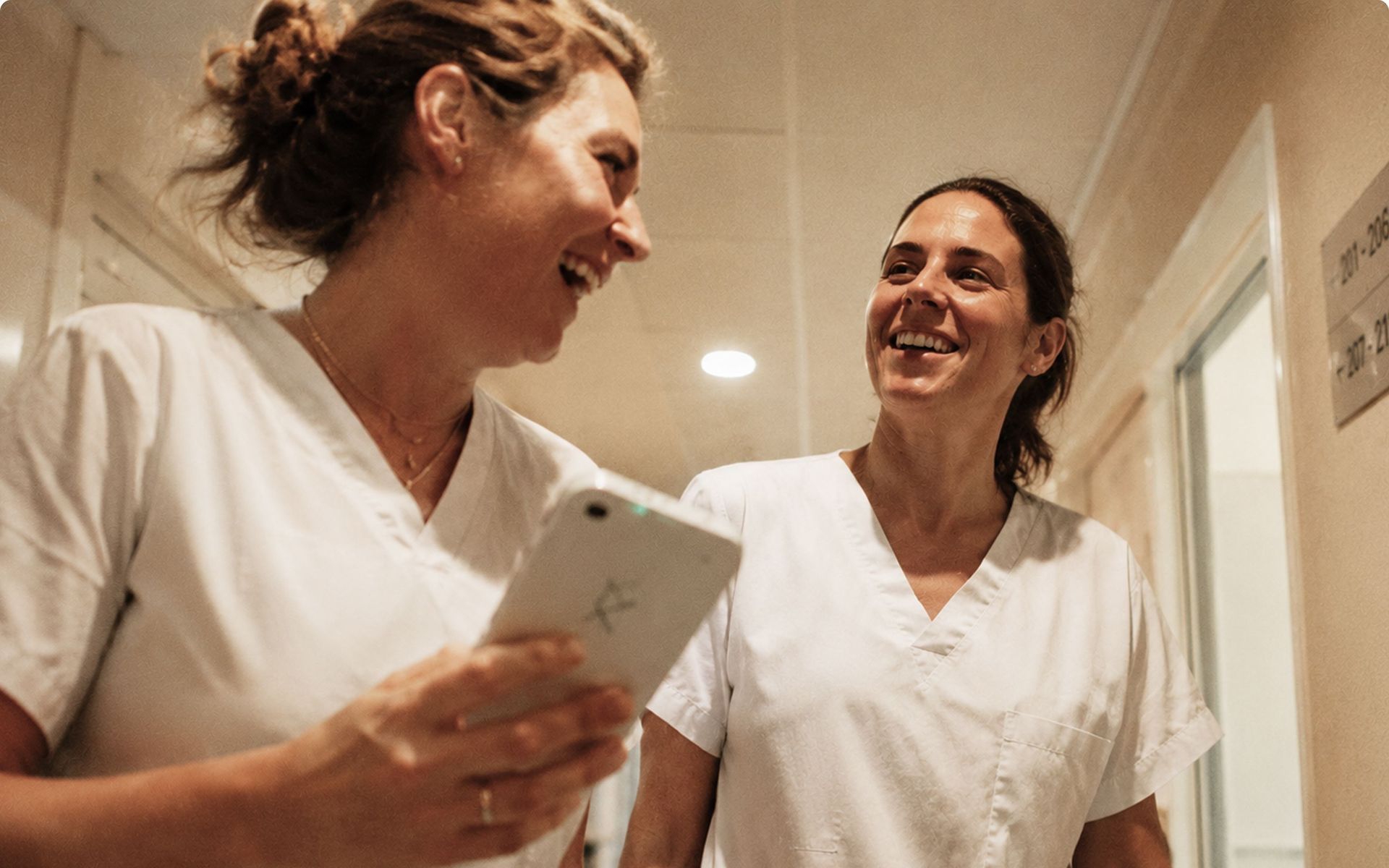
What's missing today in hospital wards.
Alerts pile up. Some are critical. Most are not. But without context, the caregiver can't know before reaching the room. That systematic walking, that constant interruption, that permanent uncertainty: this is what exhausts teams, slows responses and degrades the quality of care.
The problem isn't the number of calls. It's the lack of information around each call.
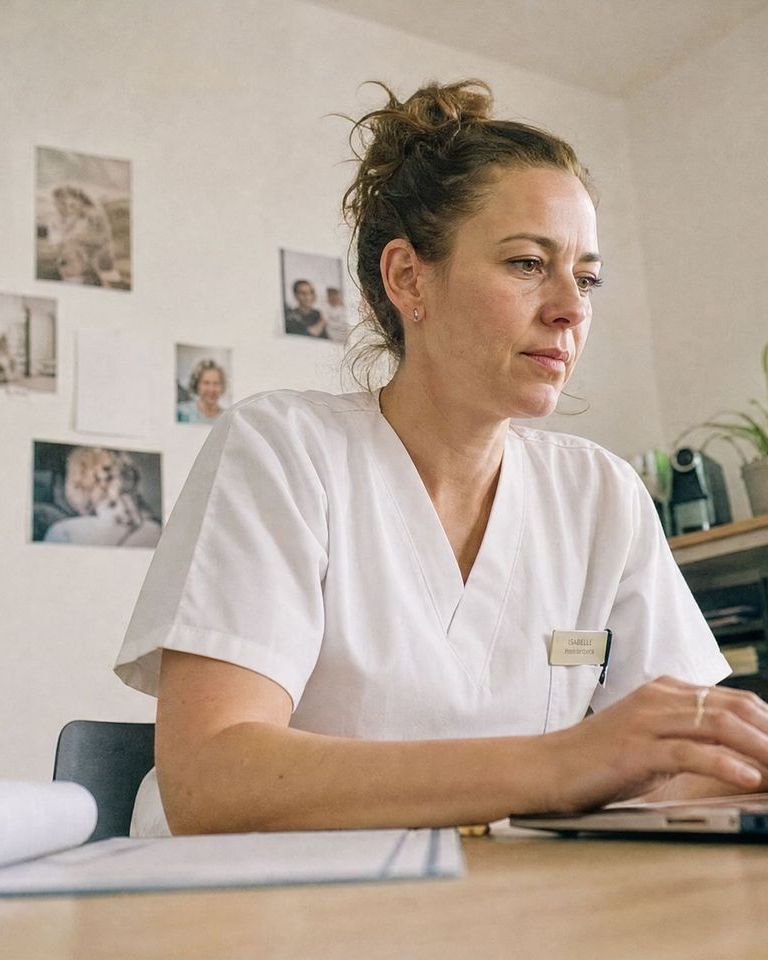
What Kando brings to the hospital.
The patient presses their button or says a trigger word. Kando asks the reason for the call. The reason and room number are sent immediately to the caregiver's DECT handset. They know before they intervene.

A voice dialogue opens between patient and caregiver via the telephony system and the in-room Box. The caregiver assesses the urgency. The patient is reassured immediately.
Automatic distribution according to the reason for the call, the team on duty and the skills required. Emergencies are treated as emergencies. Logistical requests are redirected to the right person.
The caregiver acknowledges the call by badging on the Kando Box and completes the report by voice. Every step in the flow is recorded automatically. Total traceability, regulatory compliance assured.
If a caregiver doesn't respond, the call is automatically passed to another. If there's still no response, an emergency alert is triggered — particularly useful at night. Automatic reminder after 6 minutes without acknowledgement.

What changes for teams and for patients.
-
For patients Faster response to needs. Direct communication with the caregiver. A calmer environment and a stronger sense of safety.
-
For caregivers Reduced mental load. Targeted, prepared interventions. Call reports generated without manual entry. Smoother interprofessional collaboration.
-
For managers Every call is tracked. A real-time flow-analysis dashboard. Regulatory compliance ensured automatically. Configuration customisable by ward and by unit.
Multilingual, ready for reality on the ground.
Kando Nurse Call is available in English and Dutch, in addition to French. Other languages are in development to meet the realities of teams and patients across European hospital environments.
The Questions We Get Asked Most Often
Kando is interoperable with existing telephony systems. The installation connects to your infrastructure without replacing it.
Kando is designed to integrate quickly without disrupting your operations. The Box connects via HDMI to the existing TV, while the call buttons reuse the existing wiring, making deployment simpler and faster. No infrastructure changes are required: our teams handle the installation and on-site training.
We are currently working on adding new languages. English and Dutch will be available from early 2027, with more languages to follow.
If a caregiver doesn't respond, the call is automatically passed to another. If there's still no response, an emergency alert is triggered.